

Steam cleaning has become increasingly popular in homes for one simple reason: it promises deep sanitation, bacteria reduction, and cleaning without the use of harsh chemicals. For those seeking a cleaner and healthier environment, steam often seems like the ideal solution.
But when this method is applied in everyday life, an essential question arises: what surfaces can be safely steam cleaned at home without causing damage?
The truth is that steam is not universal. While it is extremely effective on some surfaces, it can cause serious and irreversible damage to others. Everything depends on the material, the finish, the temperature applied, and most importantly, moisture control.
This guide was created to clearly explain where steam cleaning works well, where caution is required, and where it should not be used at all, helping you avoid common mistakes and costly damage.
Why Steam Cleaning works and when it becomes a problem
Steam cleaning uses water heated to high temperatures to loosen embedded dirt, eliminate microorganisms, and dissolve stubborn residues. Heat breaks down chemical bonds in grease and grime, making them easier to remove.
When applied correctly, this method:
- Reduces the use of harsh chemical cleaners;
- Improves surface sanitation;
- Helps control dust mites and bacteria.
Problems arise when steam is used without understanding how each surface reacts to heat and moisture. On sensitive materials, what cleans can also warp, stain, or damage the finish.
What surfaces can be safely steam cleaned
Not all surfaces react the same way to steam. In general, materials that are well sealed, heat-resistant, and low-porosity tolerate steam cleaning best.
Ceramic Tile, Porcelain, and Tile Floors
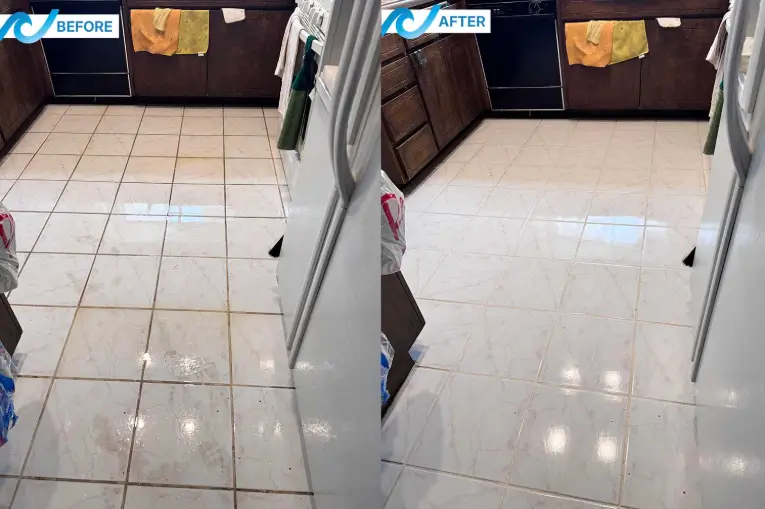
These surfaces are among the safest for steam cleaning. Heat helps loosen grease, product residue, and built-up dirt, making steam especially effective in kitchens, bathrooms, and high-traffic areas.
Steam is also highly effective for cleaning grout in good condition, reaching pores that regular cleaning cannot. However, on old or deteriorated grout, excessive steam may cause loosening.
Carpet
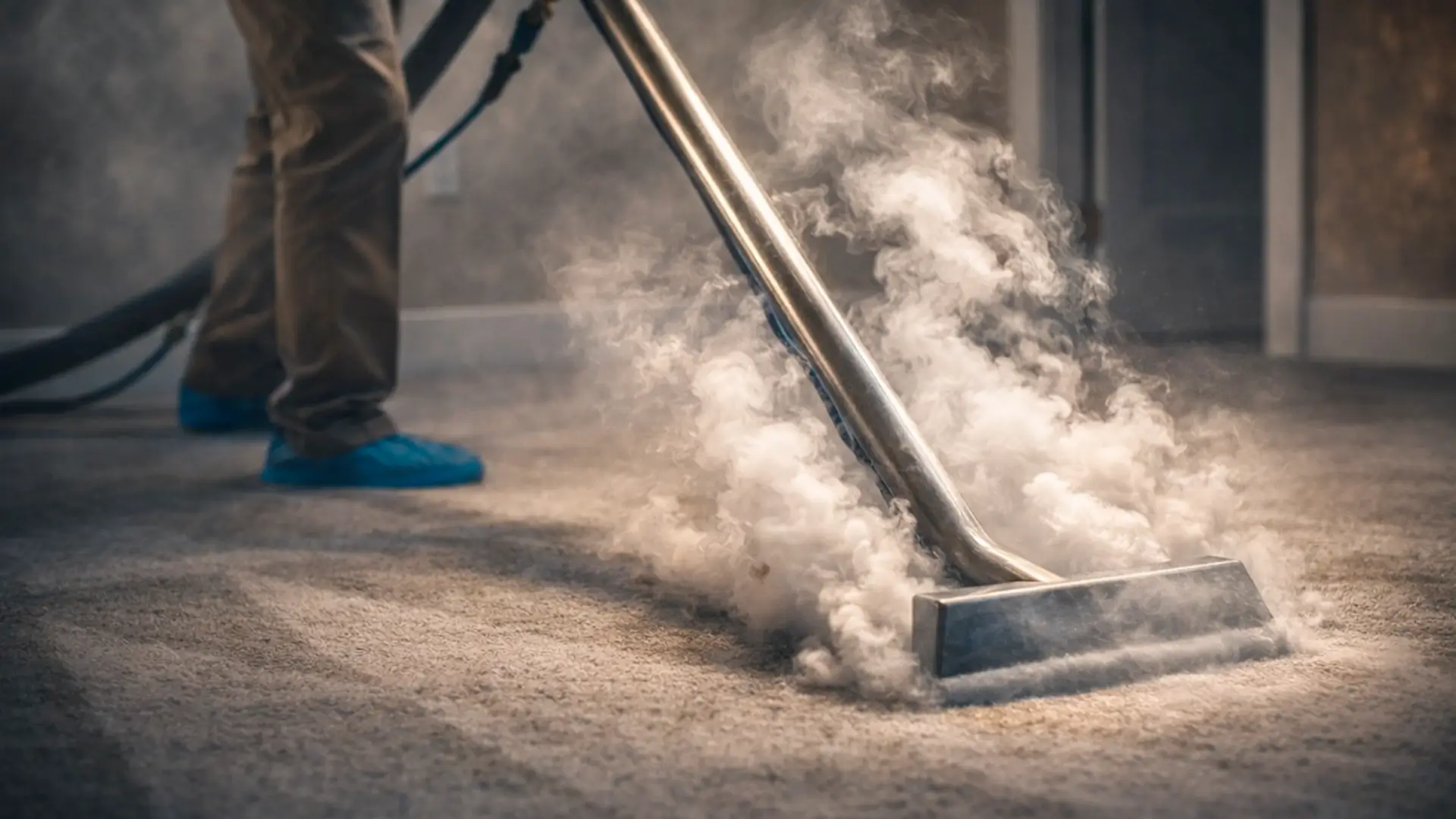
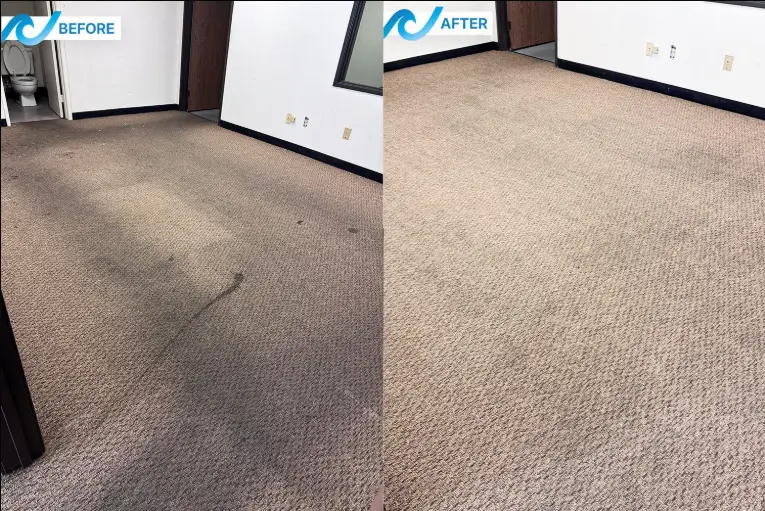
Carpets can be steam cleaned, but only under the right conditions. Many carpet issues occur because household steamers release vapor without removing moisture. This leaves water trapped in the fibers, creating ideal conditions for odors and mold.
When applied correctly, steam helps loosen deep dirt, reduce odors, and minimize allergens. Without moisture control and immediate extraction, however, the risk of damage is high. That is why steam cleaning carpets requires professional technique.
Area Rugs
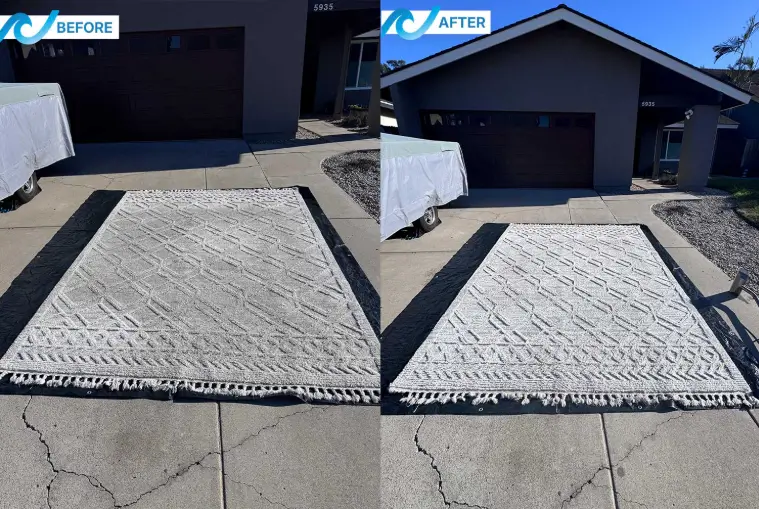
Area rugs vary widely in material, construction, and value. Synthetic and everyday rugs tend to tolerate steam cleaning better when properly controlled.
Wool rugs, silk rugs, natural fiber rugs, and handmade pieces require extreme caution. In these cases, steam can cause shrinkage, color bleeding, and structural distortion. Steam cleaning delicate rugs should always be professional and preceded by testing.
Upholstery and Furniture
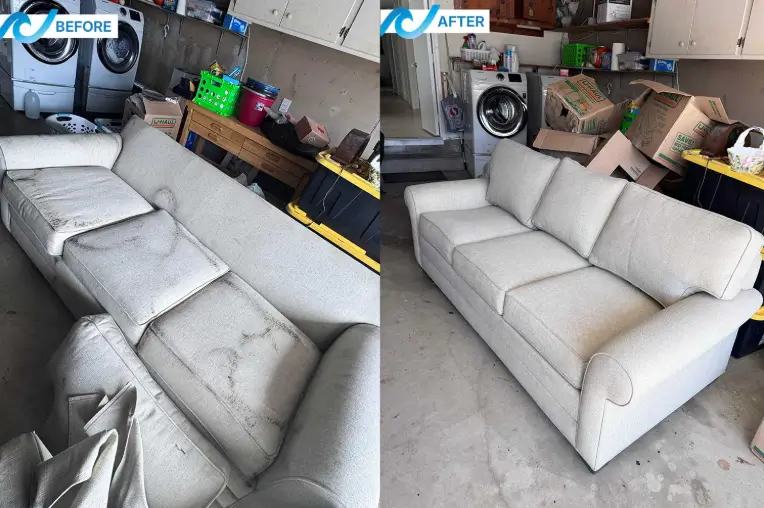
Steam can be safe for some upholstery, but not all. Synthetic fabrics usually respond better, while natural fibers absorb moisture easily.
When used improperly, steam can cause water stains, permanent marks, fading, and fabric distortion. At home, it is essential to test a hidden area first and avoid oversaturating the fabric.
For delicate or high-value furniture, professional cleaning is the safest option.
Surfaces that should not be steam cleaned
Some materials simply do not tolerate heat and moisture, even when steam is applied carefully. On these surfaces, the risk of damage is high and often irreversible. Understanding these limitations helps prevent costly repairs.
Laminate Floors
Laminate flooring is made of bonded layers. Steam can penetrate seams and cause:
- Board swelling;
- Permanent bubbling;
- Separation at joints;
- Internal stains that cannot be removed.
Even small amounts of repeated steam exposure compromise the floor’s structure.
Unsealed wood or wood with damaged finish
Natural wood absorbs moisture easily. When not properly sealed, steam causes:
- Rapid water absorption;
- Warping and swelling;
- Deep staining;
- Complete finish failure.
Even wood that appears “durable” can suffer severe damage in minutes.
MDF and engineered wood furniture
MDF is extremely sensitive to moisture. Steam exposure can cause:
- Immediate expansion;
- Visible deformation;
- Veneer separation;
- Irreversible structural damage.
Once damaged, MDF cannot be repaired.
Waxed furniture or wax-based finishes
Heat from steam melts wax layers, leading to:
- Uneven stains;
- White haze marks;
- Loss of protection;
- Dull, uneven appearance.
Steam also removes wax unevenly, requiring full finish restoration.
Glued or adhesive-based surfaces
Materials fixed with adhesives react poorly to heat. Steam can:
- Loosen baseboards;
- Detach coverings;
- Shift decorative panels;
- Compromise adhesion.
This type of damage often appears days after cleaning.
Surfaces with delicate finishes
Some decorative finishes do not tolerate steam, including:
- Hand-painted surfaces;
- Antique or restored furniture;
- Delicate varnishes;
- Matte or satin finishes.
In these cases, steam may cause fading, staining, and irreversible aesthetic damage.
Common mistakes when using steam at home
Even on surfaces considered safe, improper steam use can cause damage. In most cases, problems come not from steam itself but from how it is applied.
Common mistakes include:
- Holding steam too long in one area, saturating the surface;
- Using excessive steam without allowing drying time;
- Applying steam without knowing the material or finish;
- Using household equipment without temperature or pressure control;
- Assuming more steam equals better cleaning, when excess moisture is the main cause of damage.
These habits increase the risk of stains, warping, finish failure, and problems that may appear days later.
When professional steam cleaning is the best choice
The main difference between household and professional steam cleaning is process control. Professional equipment allows precise adjustment of temperature, pressure, and moisture, combined with immediate extraction of dirt and residual water.
This level of control makes the process safer for a wide range of surfaces, especially sensitive or high-value materials. It also reduces common risks such as oversaturation, staining, deformation, and structural damage that often result from improper home steam use.
Whenever there is uncertainty about the material, finish, or condition of a surface, professional steam cleaning is the safest and most effective option.
How CleanWave uses steam cleaning safely
CleanWave uses steam cleaning in a technical, controlled, and responsible way, always considering the surface type, finish, and actual condition before any application. There is no one-size-fits-all approach, each space is individually evaluated to ensure safety and effectiveness.
The process begins with a pre-inspection, followed by precise temperature and moisture control, immediate extraction of loosened dirt and residual water, and the use of professional products that are fully compatible with each surface. This combination delivers deep, visible cleaning results without risks of oversaturation, staining, or structural damage.
The result is a cleaner, healthier, and well-preserved environment, with complete confidence that the method respects the limits of every material.
Book your cleaning today and experience the CleanWave difference!
CleanWave Carpet Care
2714 Ariane Drive, San Diego, CA 92117
(858) 222-9836
Frequently Asked Questions (FAQs)
How long does it take for surfaces to dry after steam cleaning?
Is steam cleaning safe to use around pets and children?
Yes, when done correctly. Steam cleaning relies on high heat rather than harsh chemicals, making it a pet-safe and child-safe option. Safety depends on proper temperature control, moisture management, and allowing surfaces to cool and dry before use.
Does steam cleaning leave any residue behind?
No. Steam cleaning does not leave chemical residue, as it relies primarily on heat and water. When performed professionally with proper extraction, it removes buildup instead of adding layers, leaving surfaces clean and residue-free.