

Unlike wall-to-wall carpet, an area rug has its own independent construction, structural backing, and fibers that react differently to water, friction, heat, and cleaning products. A simple mistake during cleaning can cause shrinking, color bleeding, rippling, or even permanent structural damage.
Many rug damages don’t happen because of daily use, they happen because of improper cleaning attempts. The impulse to scrub a stain aggressively, use excessive steam, or apply multi-purpose cleaners may seem like a quick solution, but often makes the problem worse.
Before taking any action, it’s essential to understand what type of area rug you’re dealing with.
In this complete guide, you’ll learn how to identify your rug type before cleaning, which cleaning methods are safe for each material, what to avoid, and when professional area rug cleaning is the best option.
Identify the rug material before any cleaning
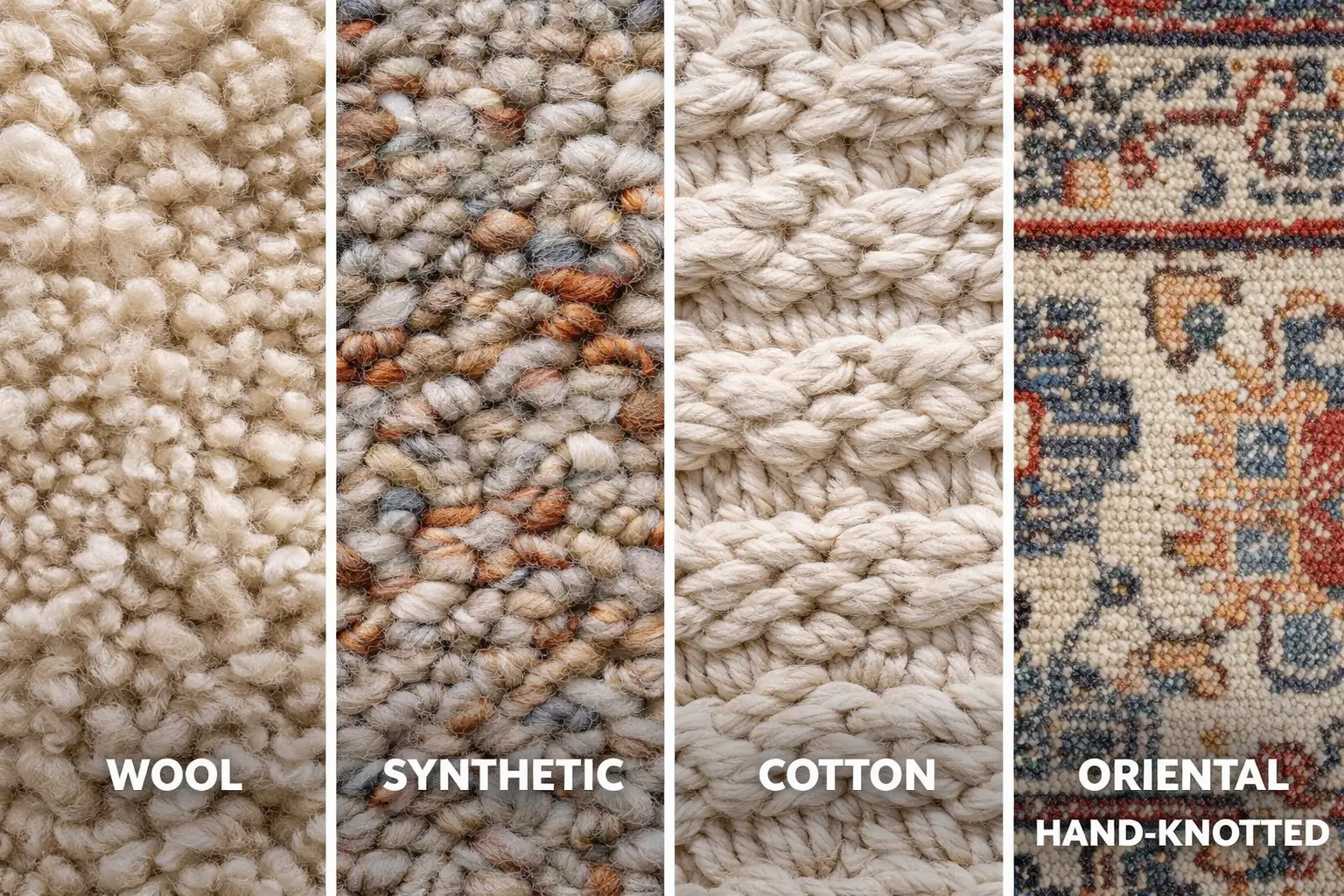
Every type of area rug fiber requires specific care. Wool rugs absorb moisture easily and may shrink if oversaturated. Synthetic fibers like nylon or polypropylene are more water-resistant but can deform under excessive heat. Oriental or handmade rugs are extremely delicate, especially in hand-dyed areas.
The most common rug materials found in homes in San Diego, CA include:
- Wool rugs;
- Synthetic fiber rugs;
- Cotton rugs;
- Silk rugs;
- Persian and handmade Oriental rugs.
Skipping this step is one of the most common cleaning mistakes. Knowing the fiber type determines whether you can use a lightly damp method or must avoid excess moisture entirely.
The most important step: removing dry soil first
Most dirt in an area rug isn’t visible on the surface. Fine dust, sand, and microscopic particles accumulate at the base of the fibers. With daily foot traffic, these particles act as abrasives, accelerating wear.
Before any wet cleaning, proper dry soil removal is critical.
Vacuum slowly, moving in different directions to loosen embedded particles. For delicate rugs, avoid aggressive rotating brushes and choose controlled suction instead.
In many cases, deep vacuuming alone significantly improves the appearance and reduces the need for liquid cleaning products.
How to treat stains without damaging fibers
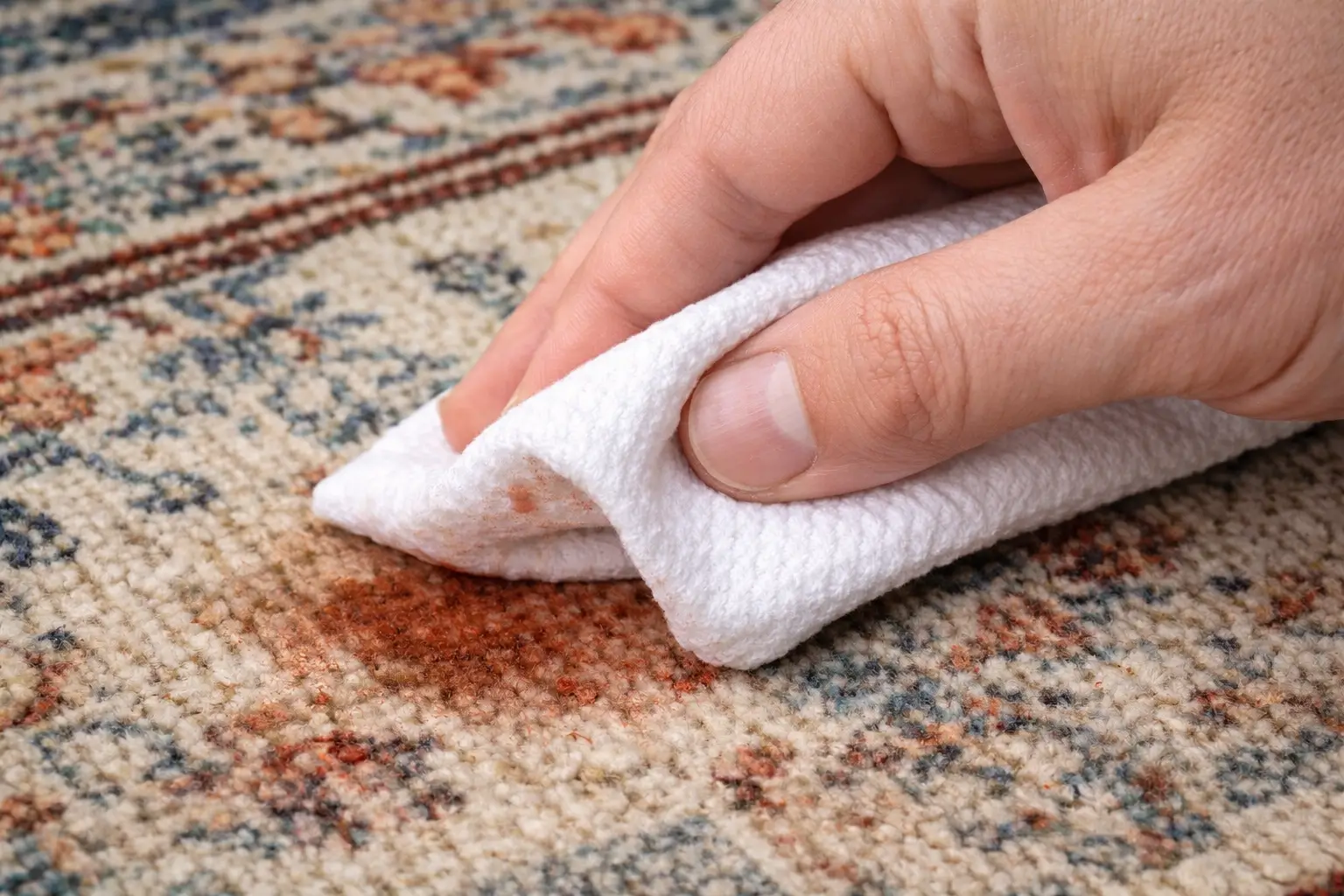
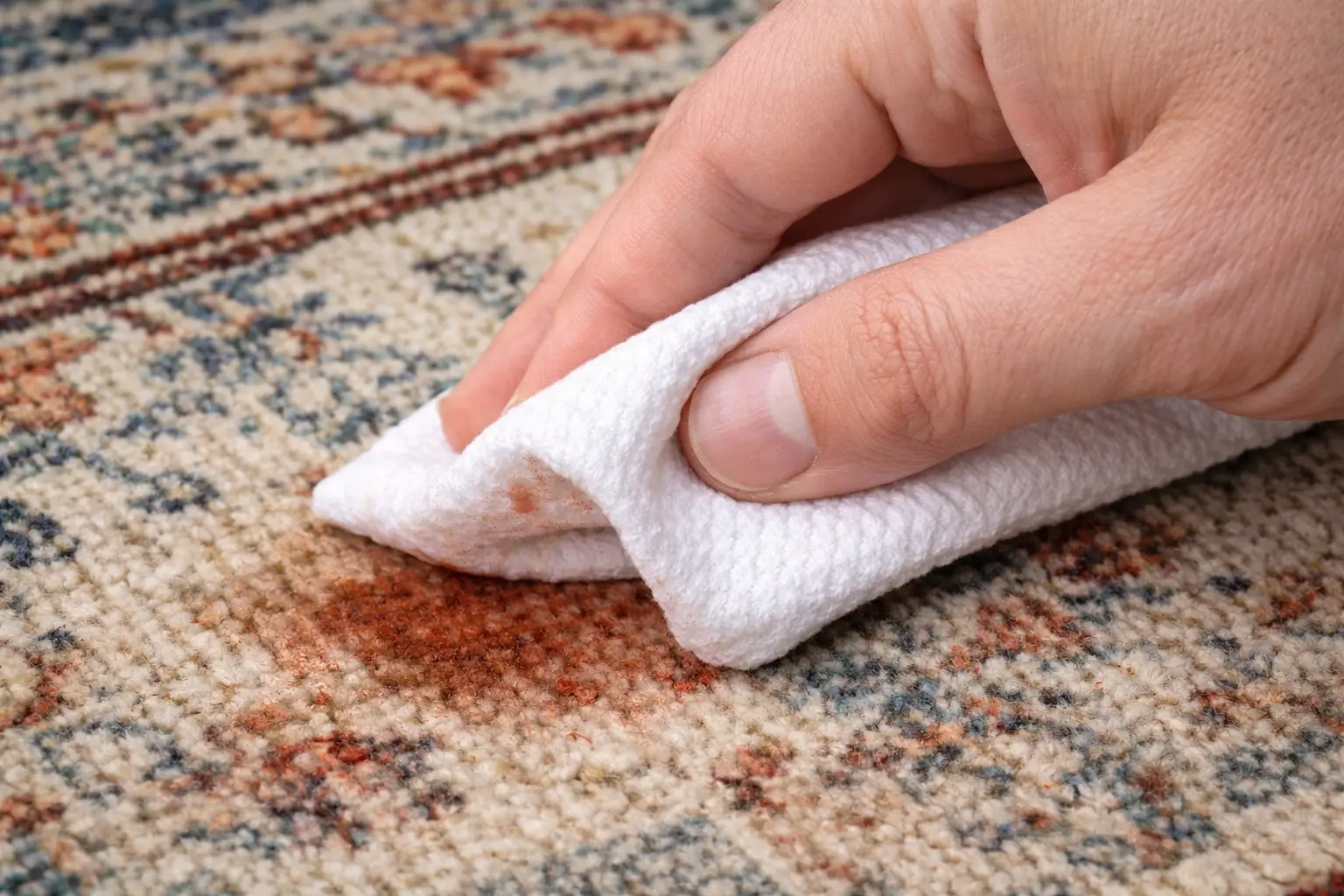
When a spill occurs, the immediate reaction is usually to scrub. That is exactly what should be avoided. Intense friction pushes the residue deeper into the fibers and may cause localized fading or fiber distortion.
The correct method is to blot, not scrub.
Use a clean white cloth and gently press to absorb excess liquid. Always work from the outer edge of the stain toward the center to prevent spreading. Test any cleaning solution on a hidden area first.
Avoid:
- Hot water on wool rugs;
- Ammonia-based or bleach products;
- Excess moisture.
Oversaturation can reach the rug backing, creating persistent odors and increasing the risk of mold growth.
Can too much water damage an area rug?
One of the biggest risks in area rug cleaning is excessive water. Unlike installed carpet, area rugs can retain moisture for long periods, especially in low-ventilation environments.
When moisture remains in the backing, issues may include:
- Fiber shrinkage;
- Rippling or warping;
- Dye migration;
- Mold development;
- Persistent odors.
Whenever moisture is introduced, ensure proper airflow and allow the rug to dry completely before placing it back on the floor. Thicker rugs may require up to 48 hours to fully dry.
Common mistakes that damage area rugs
Area rug cleaning mistakes often happen with good intentions. Homeowners try to quickly fix a stain or refresh the rug, but end up compromising its structure.
Common errors include:
- Using household steam cleaners without technical control;
- Applying excessive steam;
- Oversaturating the rug;
- Using heavily fragranced products that leave sticky residue;
- DIY mixtures that alter the fiber’s pH.
Steam cleaning can be effective when performed with precise temperature, moisture control, and proper extraction. However, standard home steam machines may release uncontrolled heat and moisture, damaging the rug’s internal structure.
Improper heat can loosen rug backing adhesives, cause rippling, distort natural fibers like wool or sisal, and even lead to shrinkage. Excess moisture encourages microbial growth and backing deterioration.
Cleaning without technical knowledge may seem like a quick fix, but often results in higher long-term costs.
 Preventive maintenance: the smartest way to protect your rug
Proper cleaning is important, but prevention is even more effective.
- Vacuum regularly;
- Rotate your rug every six months for even wear;
- Use furniture pads under heavy pieces;
- Avoid prolonged direct sunlight exposure.
Consistent care is far more effective than aggressive, occasional deep cleaning.
When to seek professional area rug cleaning
There are situations where DIY cleaning is not enough. Deep wine stains, coffee spills, pet urine, recurring odors, handmade Oriental rugs, delicate natural fibers, and previous oversaturation require a controlled technical approach.
When the problem goes beyond the surface, continuing with DIY methods may worsen the damage. Excess moisture can compromise the backing, incorrect products may alter dye stability, and improper residue removal accelerates re-soiling.
Professional area rug cleaning includes:
- Precise fiber identification;
- Controlled moisture and temperature management;
- Deep extraction of soil, allergens, and odors;
- Accelerated and safe drying;
- Use of family- and pet-safe cleaning solutions.
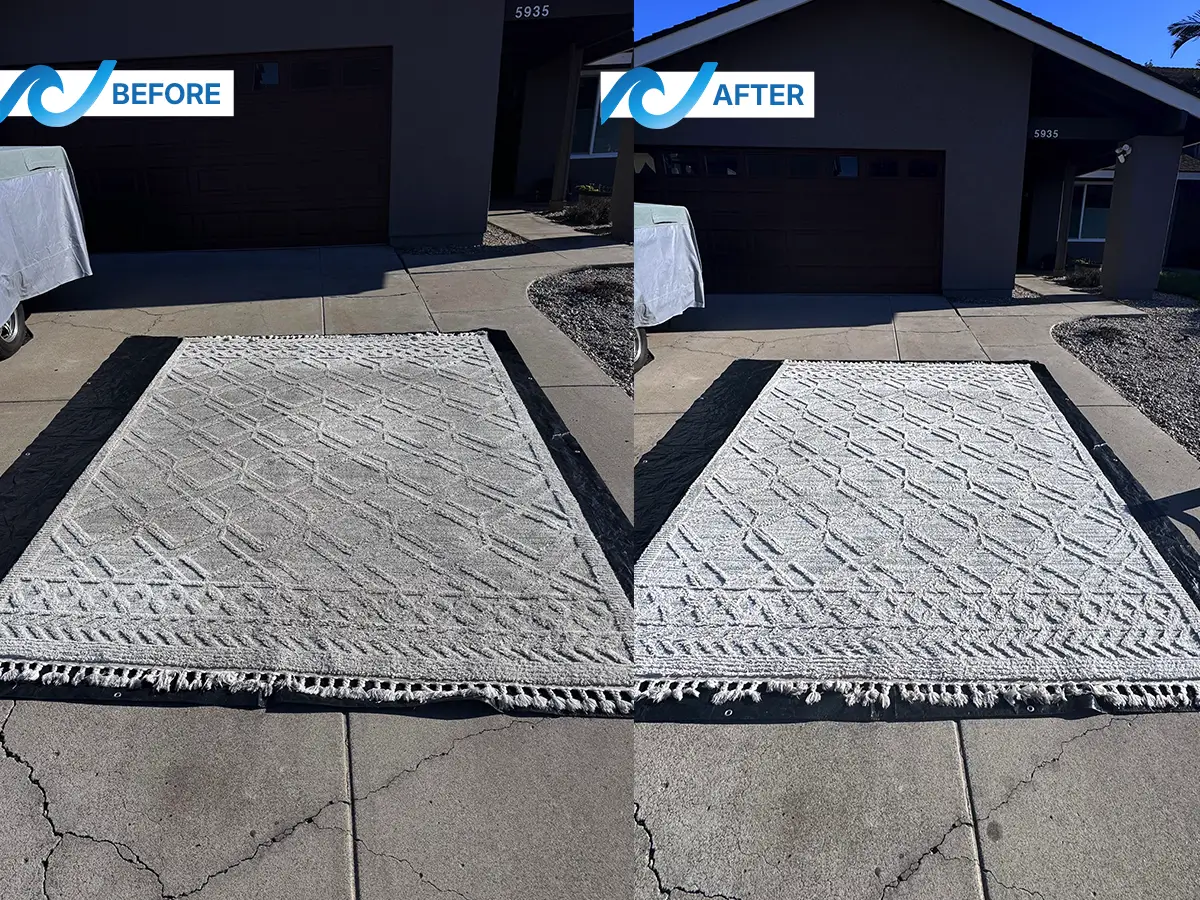
This process removes embedded contaminants without compromising the rug’s structure, backing, or finish, helping extend its lifespan.
In San Diego, where fine dust, coastal sand, and heavy foot traffic accelerate wear, professional maintenance becomes even more important.
CleanWave Carpet Care uses controlled-moisture extraction methods specifically designed to protect delicate fibers and prevent oversaturation. The goal isn’t just to clean, but to preserve your area rug long term.
If your rug has persistent stains, odors, or has already undergone unsuccessful cleaning attempts, don’t wait until the damage becomes permanent.
Schedule your professional area rug cleaning in San Diego and feel the CleanWave difference.
CleanWave Carpet Care