


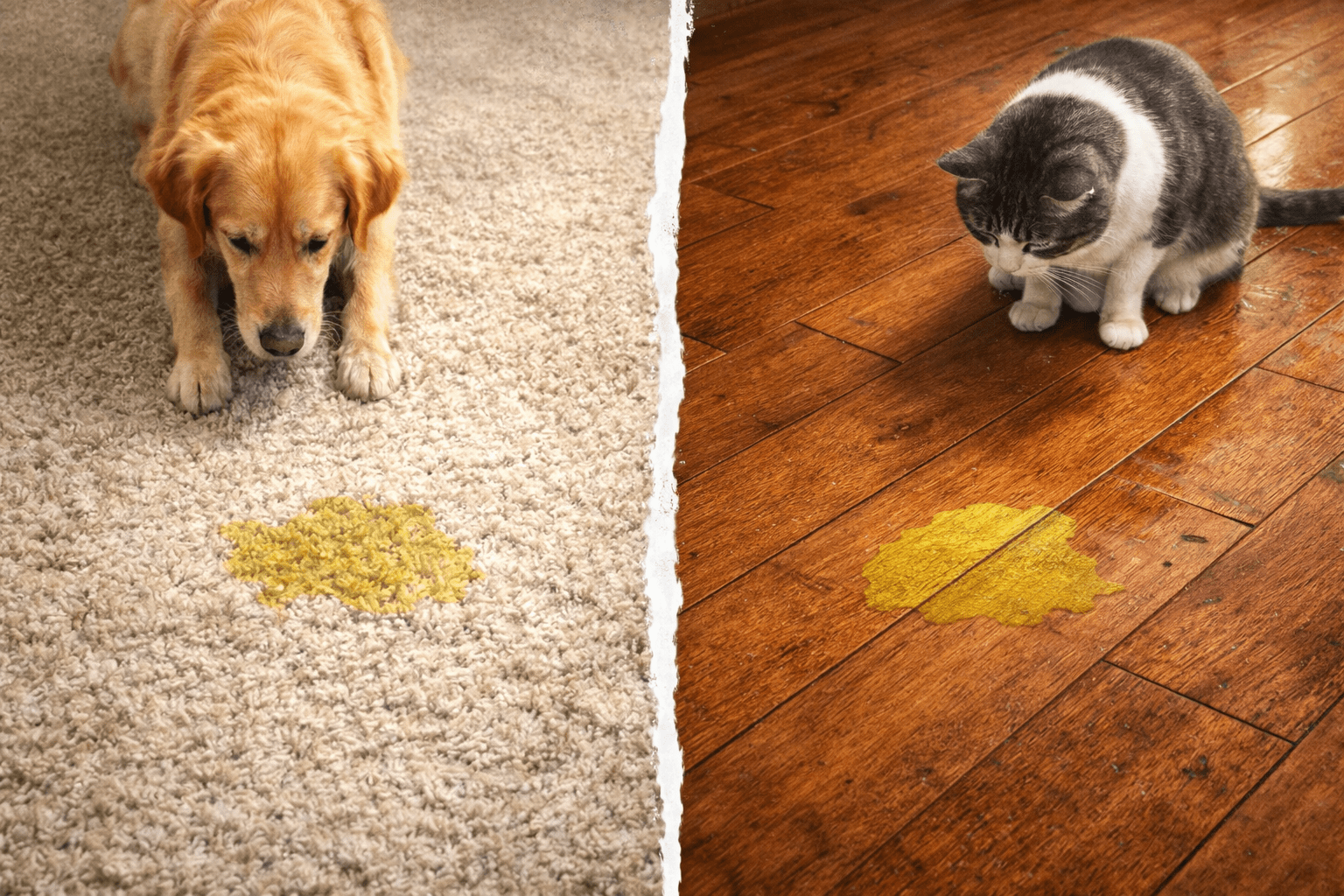
Choosing between carpet and hardwood when you have pets is not just an aesthetic decision. It directly affects daily cleaning routines, odor control, indoor health, long-term maintenance costs, and overall quality of life. Many pet owners only realize this after dealing with accumulated pet hair, recurring accidents, or damaged flooring.
In this complete guide to carpet vs hardwood floor for homes with pets, you’ll understand the pros, cons, and, most importantly, the real impact each option has on cleaning. We’ll also consider the daily reality of families in San Diego, where climate, sand, and lifestyle significantly accelerate floor wear.
Carpet vs Hardwood floor for pet owners: real differences in daily life
When you live with pets, the difference between carpet and hardwood doesn’t show up in inspiration photos. It shows up in everyday routines, in the small details repeated daily, and that’s where many homeowners make the wrong choice.
In practice, this comparison becomes clear in areas such as:
- Daily cleaning;
- Odor control;
- Inevitable accidents (urine, vomit, mud);
- Pet hair buildup;
- Noise from paws;
- Thermal comfort and pet well-being.
How This Plays Out in Everyday Life
Carpet creates an immediate sense of comfort. It’s warmer, quieter, and more comfortable for pets to lie down, walk, and rest on. However, that comfort comes at a cost: everything that falls on carpet tends to stay there. Pet hair embeds into the fibers, odors accumulate, and liquids penetrate quickly, creating problems that vacuuming or basic household cleaning cannot fully resolve.
Hardwood, on the other hand, makes surface cleaning easier. Pet hair is visible, accidents can be removed quickly, and the space appears cleaner day to day. But this convenience can be misleading. Without proper care, hardwood suffers from scratches, liquid seepage between boards, and finish wear, especially in homes with active pets.
Carpet in homes with pets: comfort, quiet, and cleaning challenges
Carpet remains very popular in living rooms and bedrooms, particularly in homes with older pets or large breeds.
Advantages of carpet
- Soft, comfortable surface;
- Reduces impact on pets’ joints;
- Less noise from walking and running;
- Creates a warmer, cozier environment.
Disadvantages of carpet
- Traps pet hair deep in the fibers;
- Absorbs odors easily;
- Stains easily from urine and vomit;
- Can accumulate mites, bacteria, and allergens;
- Requires frequent professional cleaning.
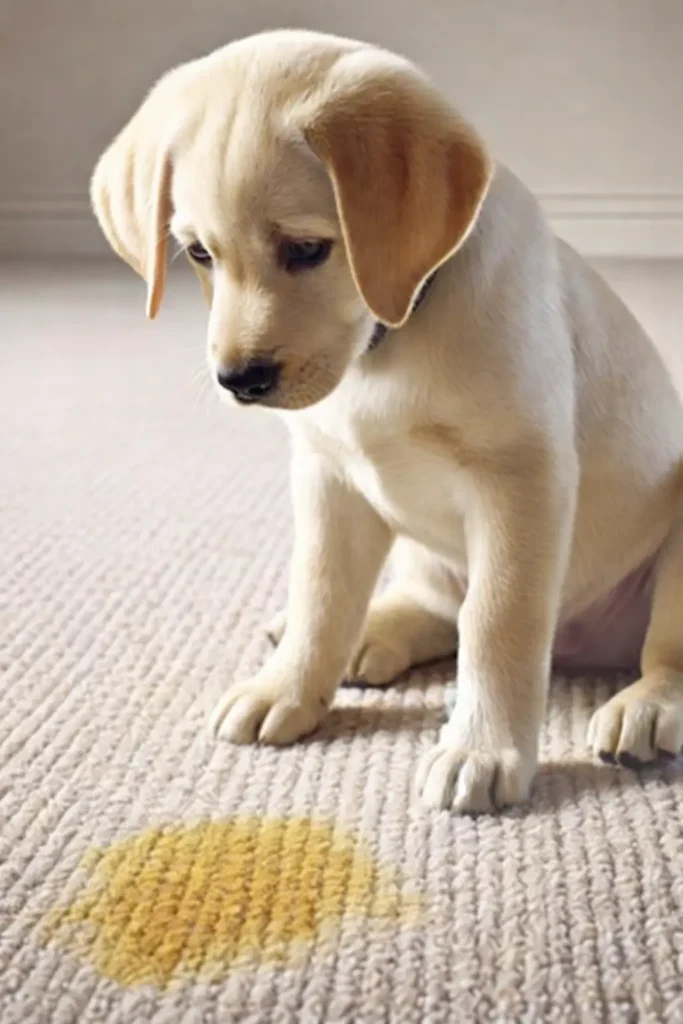
Even with daily vacuuming, carpet does not release what becomes embedded in the fibers. Pet urine, for example, penetrates into the carpet backing and padding, creating persistent odors that only professional extraction can fully remove.
Hardwood Floor with pets: easy cleaning or risk of damage?
Hardwood is often seen as the “easier to clean” option, but that perception is incomplete.
Advantages of hardwood in homes with pets
- Pet hair is visible and easy to remove;
- Does not absorb odors like carpet;
- Cleaner appearance day to day;
- Better for allergy control.
Disadvantages of hardwood with pets
- Scratches caused by nails;
- Damage from urine if not cleaned immediately;
- Sensitive to excess moisture;
- Can be slippery for pets.
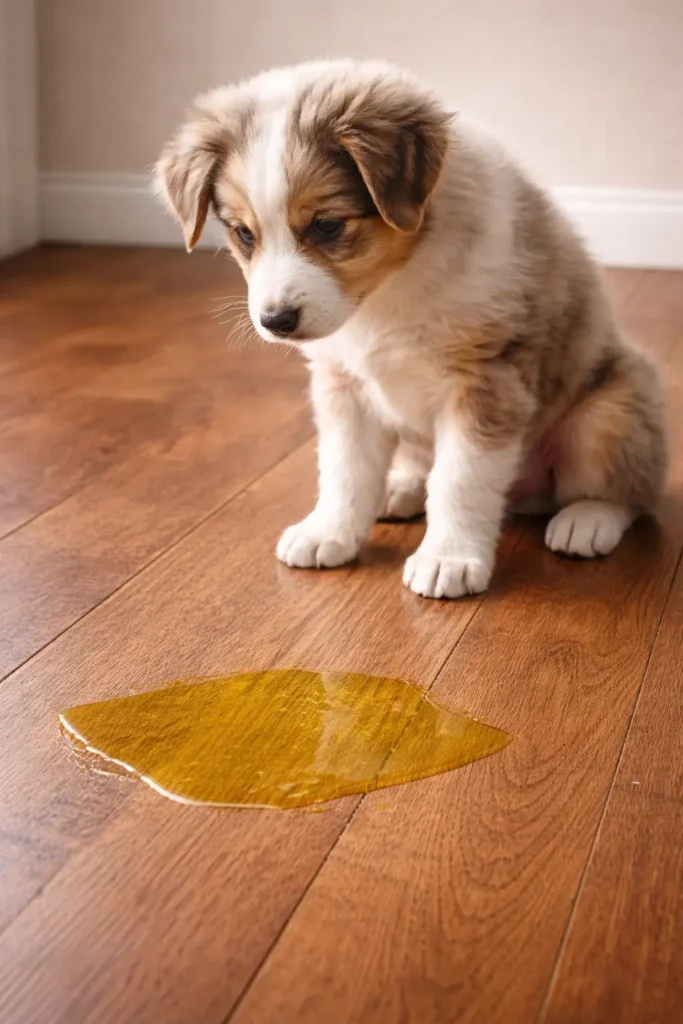
The most common mistake is assuming that any cleaning method works for hardwood. Excess water, traditional steam, or the wrong products can damage the finish, cause swelling, and drastically shorten the floor’s lifespan.
 Pet hair, odors, and accidents: which floor suffers more?
This is one of the most common questions in real online searches, and the answer isn’t simple because each flooring type reacts differently to each problem. In homes with pets, the biggest challenges revolve around three factors: pet hair, odors, and accidents. Understanding how carpet and hardwood handle each one helps prevent frustration and unnecessary expenses.
Pet Hair: Where Does It Really Go?
Carpet:
Pet hair becomes deeply embedded in the fibers, especially in medium- to high-pile carpets. Even with frequent vacuuming, some hair remains trapped inside the fabric, building up over time and requiring professional cleaning for complete removal.
Hardwood Floor:
Pet hair stays on the surface, making removal quick and visible. Sweeping or vacuuming solves the immediate issue without hair penetrating the material.
For households dealing with heavy shedding, hardwood makes daily maintenance significantly easier.
Odors: The Invisible Problem
Carpet:
Carpet absorbs odors easily. Urine, saliva, dirt from paws, and even the animal’s natural scent penetrate the fibers and underlying padding. Over time, odors become persistent and return even after surface-level cleaning.
Hardwood Floor:
With hardwood, odors usually remain on the surface, as long as accidents are cleaned quickly. Delays or incorrect cleaning products allow liquids to seep into seams and compromise the finish.
Proper and immediate cleaning makes all the difference here.
Accidents: Where Is the Damage Worse?
Carpet:
Liquids are absorbed immediately. Urine and vomit pass through the fibers and reach the base layer, causing deep stains, bacterial growth, and residual odors that are difficult to remove without professional extraction.
Hardwood Floor:
Hardwood does not absorb liquids immediately, but there is a risk of seepage between boards and beneath the finish. If not removed promptly, liquids can cause swelling, darkening, and permanent deformation.
Conclusion: No floor is immune. In both cases, speed and proper cleaning technique determine whether damage becomes permanent. In homes with pets, professional cleaning is not optional, it’s part of the solution.
Carpet vs Hardwood Floor for allergies and indoor air quality in homes with pets
For those who suffer from allergies, rhinitis, or asthma, this comparison becomes critical.
Carpet
- Traps dust, pet hair, and mites;
- Can release particles into the air when walked on;
- Requires periodic deep cleaning;
Hardwood Floor
- Does not store allergens internally;
- Makes air quality easier to maintain;
- Requires correct cleaning to avoid spreading residue;
Conclusion: Hardwood tends to be better for allergies, but only when professionally cleaned. Incorrect products leave residues that actually worsen indoor air quality.
Long-term maintenance: which floor requires more work in homes with pets?
This is the factor many people overlook when choosing between carpet and hardwood: long-term maintenance cost. On paper, hardwood seems easier. In reality, both require constant attention, just in different ways.
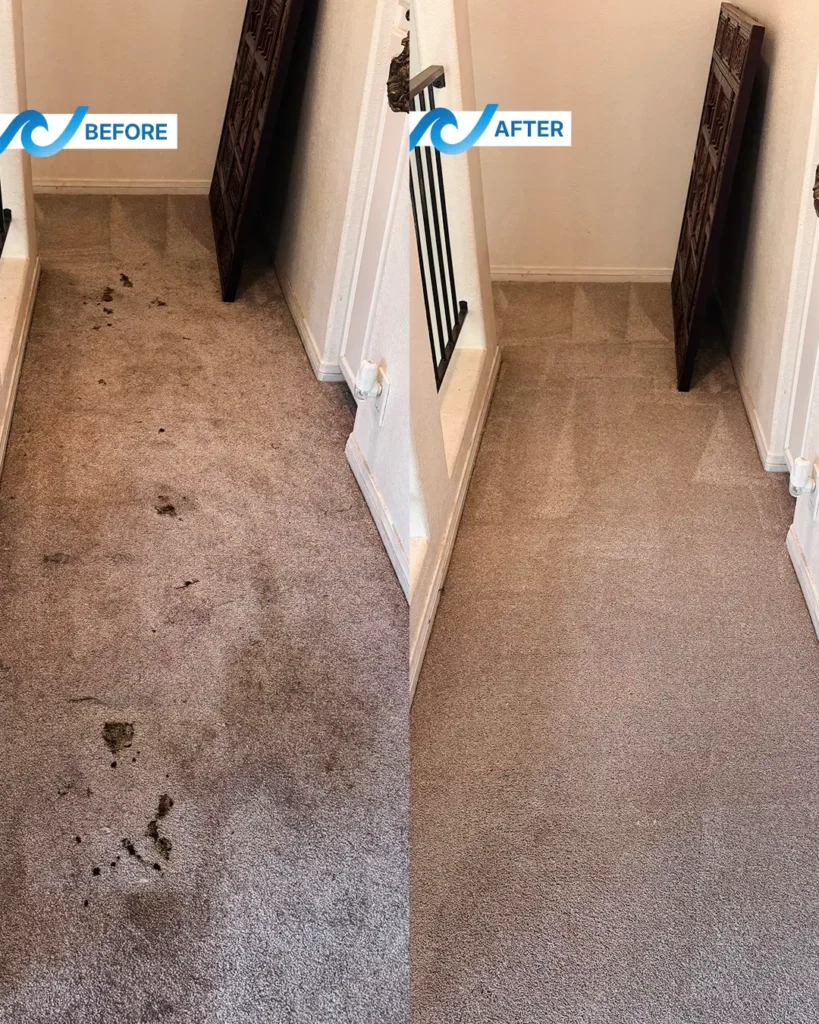
Carpet: Continuous and Predictable Maintenance
In homes with pets, carpet requires routine and consistency.
- Frequent vacuuming for hair control
- Regular professional cleaning to remove odors and deep residue
- Higher risk of stains with recurring accidents
- Possible padding replacement if liquids are absorbed excessively
The advantage is predictability. When properly maintained, carpet retains comfort and appearance for years. When neglected, problems appear quickly, but they’re easy to identify.
 Hardwood Floor: Less Daily Effort, More Technical Care
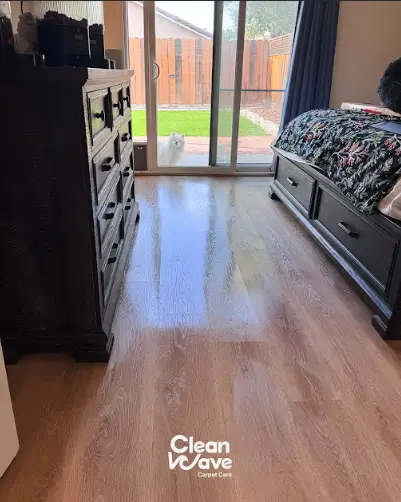
Hardwood floor usually requires less daily effort but demands technical precision.
- Regular cleaning with strict moisture control;
- Periodic professional cleaning to preserve the finish;
- High sensitivity to accidents that aren’t cleaned immediately;
- Scratches and cumulative wear may require restoration.
When maintained correctly, hardwood lasts a long time. When cleaned improperly, damage is often more expensive and less reversible, such as swelling, discoloration, or the need for sanding.
How to properly clean carpet and hardwood floor when you have pets
When you have pets, floor cleaning is not just about appearance. It’s about odor control, hygiene, material durability, and indoor health. Carpet and hardwood require different care approaches, and applying the same cleaning logic to both is one of the most common mistakes.
Ideal carpet care routine
Carpet works well with pets only when cleaning is consistent and deep, not reactive.
Daily best practices:
- Vacuum at least 3 times per week, or daily in homes with heavy shedding;
- Use a vacuum with strong suction and pet-appropriate filtration;
- Remove accumulated hair before it embeds into the fibers;
In case of accidents:
- Clean immediately to prevent liquid from reaching the padding;
- Dry the area thoroughly after initial cleaning;
- Avoid aggressive scrubbing, which spreads residue and deepens stains;
What to avoid:
- Strongly fragranced products that only mask odors;
- Aggressive DIY mixtures that leave sticky residue;
- Excess water, which promotes mold and lingering odors.
Even with a solid home routine, carpet always accumulates internal residue. That’s why regular professional carpet cleaning is not a luxury, it’s what prevents odors and bacteria from becoming permanent.
Ideal hardwood floor care routine
Hardwood requires less daily effort but much more technical control. Most hardwood damage comes not from pets, but from incorrect cleaning.
Daily best practices:
- Sweep or vacuum using a soft brush attachment;
- Remove hair and sand frequently to prevent abrasion;
- Use a lightly damp mop, never wet;
In case of accidents:
- Clean immediately to prevent seepage between boards;
- Dry the area completely after cleaning;
- Never let liquids “sit” on the floor;
What to avoid:
- Saturating the floor;
- Traditional steam or common steam mops;
- Oily products or “shine enhancers”;
- General-purpose cleaners not designed for wood.
Hardwood doesn’t absorb odors like carpet, but it is extremely sensitive to moisture.
Why CleanWave Carpet Care Is the Best Solution for Homes With Pets in San Diego
CleanWave Carpet Care understands that homes with pets require more than surface cleaning. Our process is designed to protect floors, eliminate odors, and create truly healthy environments, especially in San Diego, where sand, climate, and lifestyle accelerate wear.
What sets us apart
- Real experience with carpet and hardwood in pet homes;
- Steam cleaning for carpets;
- For hardwood floors, we use controlled agitation and low-moisture techniques, not traditional steam.
- Deep extraction of odors and residue;
- Eco-friendly, pet-safe products;
- Processes tailored to each floor type.
If your home has pets and your floors look dull, smell unpleasant, or feel dirty, don’t wait until the damage becomes permanent.
Our focus isn’t just cleaning, it’s preserving your floors and the health of your home.
Schedule your professional cleaning and feel the CleanWave difference.
Frequently Asked Questions (FAQs)
Is professional tile and grout cleaning worth it?
How often should carpet be cleaned with pets?
In homes with pets, carpet should be professionally cleaned every 6 to 12 months, depending on shedding, accidents, and foot traffic. Regular vacuuming helps day to day, but professional deep cleaning is essential to remove embedded pet hair, odors, and bacteria that household cleaning cannot reach.
Does pet urine damage hardwood floors or carpet more?
Pet urine can damage both, but in different ways. Carpet absorbs urine quickly, leading to deep stains and persistent odors if not professionally extracted. Hardwood does not absorb liquid immediately, but urine can seep into seams, causing swelling, dark stains, and permanent damage if not cleaned right away. Speed and proper cleaning are critical in both cases.
Are hardwood floors healthier than carpet?
Hardwood floors are generally considered healthier because they do not trap allergens, pet hair, and dust deep within the material. However, this advantage only holds when hardwood is cleaned correctly. Improper products or excess moisture can leave residue and negatively affect indoor air quality, making professional cleaning important for both flooring types.
How do I know if Cleanwave offers professional cleaning near me?
We’ll be serving San Diego and nearby areas, including La Jolla, Del Mar, Solana Beach, Carlsbad, Chula Vista, Coronado, Encinitas, Poway, Rancho Bernardo, Pacific Beach, Point Loma, and more.